
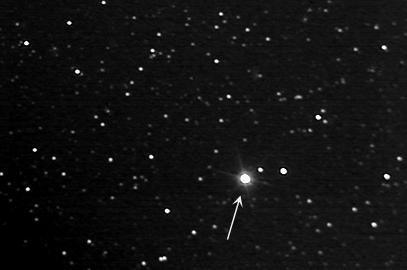
Scientists at the European Southern Observatory (ESO) have discovered a new planet orbiting a star known as Barnard’s Star only six light-years away. The planet has been designated Barnard b. It is unlikely to be home to alien life, as it is close enough to its star that liquid water cannot form. ESO’s paper, published in the journal Astronomy and Astrophysics, also proposes several other possible planets orbiting the same star, though these remain unconfirmed. This discovery is the latest in an ongoing search for Earth-like planets near our own solar system.
Planets outside of our solar system like this are known as exoplanets. They appear to be very common with thousands having been discovered since the first was identified in 1995. While this recent discovery is close to us, in astronomical terms, even closer exoplanets have been found. In 2016, ESO discovered a planet orbiting Proxima Centauri, the closest star to our solar system. Notably, it is within the habitable zone of its star, an area in which liquid water can form on the surface of a planet. This discovery kicked off a search of other nearby stars, to determine if any may also have planets within their own habitable zones.
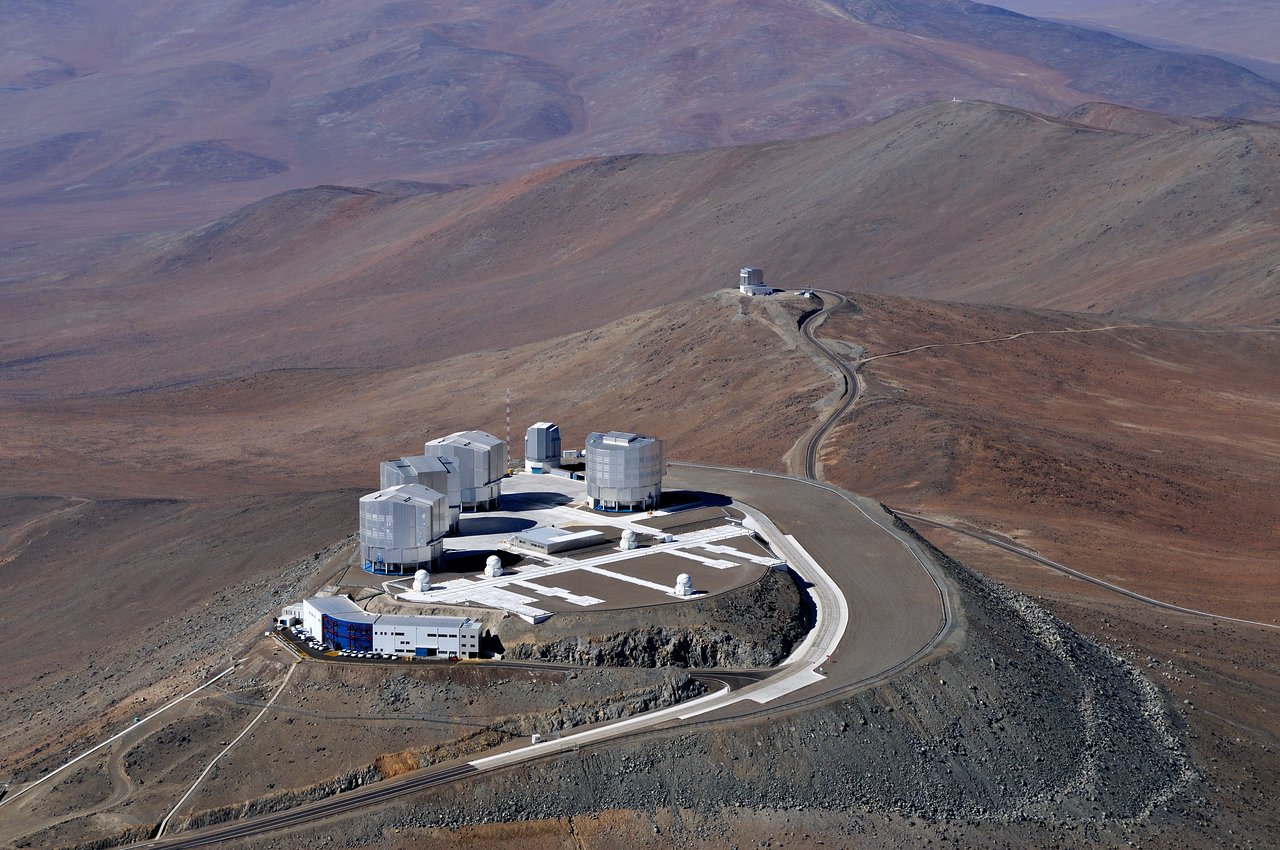
Barnard b is one of only a few exoplanets discovered that is smaller than Earth, as it is difficult to detect these small bodies. This exoplanet was found using ESPRESSO (Echelle Spectrograph for Rocky Exoplanet- and Stable Spectroscopic Observations), which measures how a star wobbles due to the planet’s gravity. Using this method, scientists are able to look for exoplanets particularly near small stars, such as Barnard’s Star and Proxima Centauri.
Interest in studying Barnard’s Star specifically began because it, like Proxima Centauri, is a red dwarf star, a small and long-lived star that is cooler than our Sun. Unlike Proxima Centauri, however, it is relatively calm. Red dwarfs can be prone to violent magnetic storms which make life difficult, so the discovery of planets around calmer stars improves the odds of finding life outside of our solar system.
Researchers are looking to confirm the existence of the other possible exoplanets in this star system, and specifically understand how common these planets are in our vicinity. With the introduction of more powerful telescopes in the near future, we will be able to peer even further into our neighbourhood.
Featured Image by Steve Quirk


 Snippets of Science
Leave a comment