
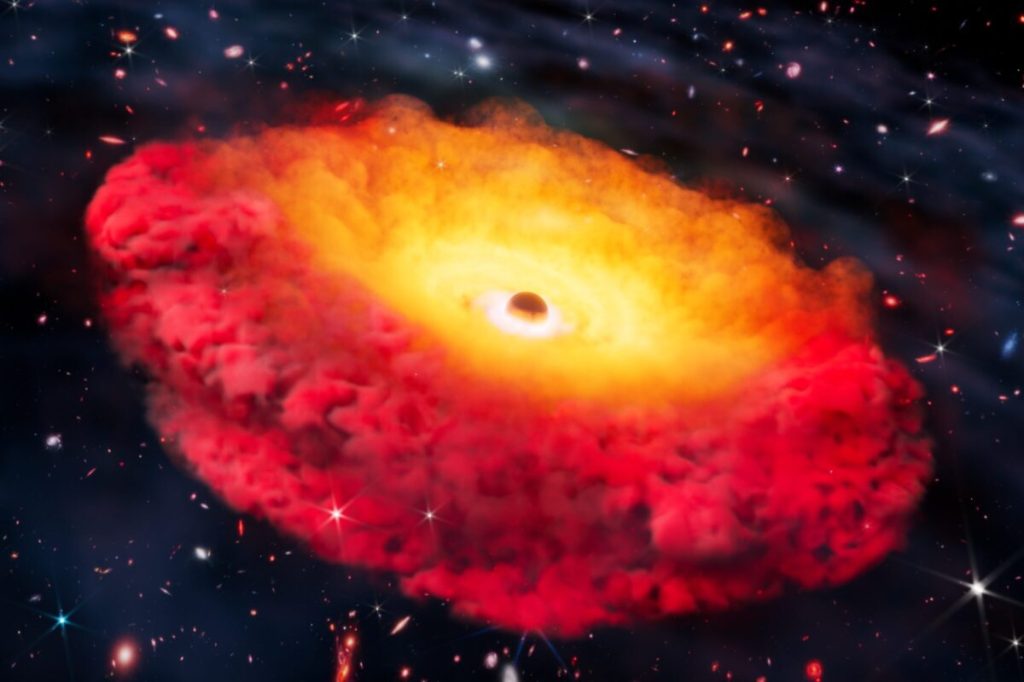
A team of researchers led by the University of Texas have discovered a black hole that formed over 13.3 billion years ago, the oldest ever found to date.
Using the James Webb Space Telescope (JWST), an advanced space telescope designed to observe the farthest places in the universe, researchers identified what may very well be the oldest black hole ever discovered. Not only is it ancient, it is also massive, with estimates of its mass indicating it could be up to 300 million times larger than our sun. The supermassive black hole at the centre of our own galaxy, the Milky Way, is ‘only’ 4.3 million times larger than our sun
Discovered at the center of the distant CAPERS-LRD-z9 galaxy located within the Sextans constellation just south of Leo, this black hole bends our ideas of how these massive structures can even form. Due to how far away it is, the light from this galaxy has been travelling for 13.3 billion years before it reached our telescope and our own eyes. Given the age of the universe at 13.8 billion years old, that would mean that this galaxy and black hole formed in the first 500 million years of the universe. For perspective: If the universe had existed over a calendar year and today was the 31st of December at midnight, these galaxies would have formed by the 13th of January.
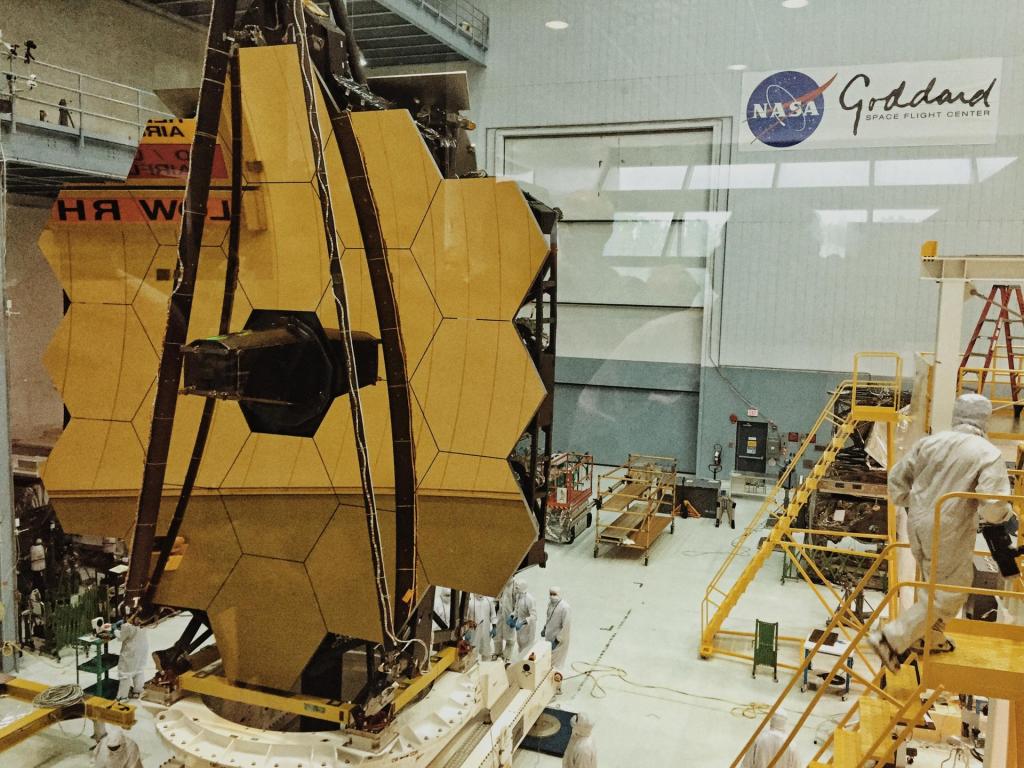
Using the JWST, launched in 2021 and currently positioned over 1.5 million km from Earth (~1 million miles), scientists had observed what they described as “Little Red Dots” (LRDs), small points of light that were remarkably bright, particularly for how many stars there appeared to be in them. Though these were discovered early on in the life of JWST, identifying them took much longer. Earlier in August of this year, they were suggested by Harvard researchers to be an ideal place for the formation of supermassive black holes, though they were still missing a telltale signature of black holes of this size: X-Ray radiation. The discovery of this black hole only a week after the publication of the Harvard paper manages to give strong evidence to this claim.
This was the first discovery of a supermassive black hole this old, though it will almost certainly not be the last. There are several other possible candidates for black holes in these LRDs that could be even older than the one found in CAPERS-LRD-z9.
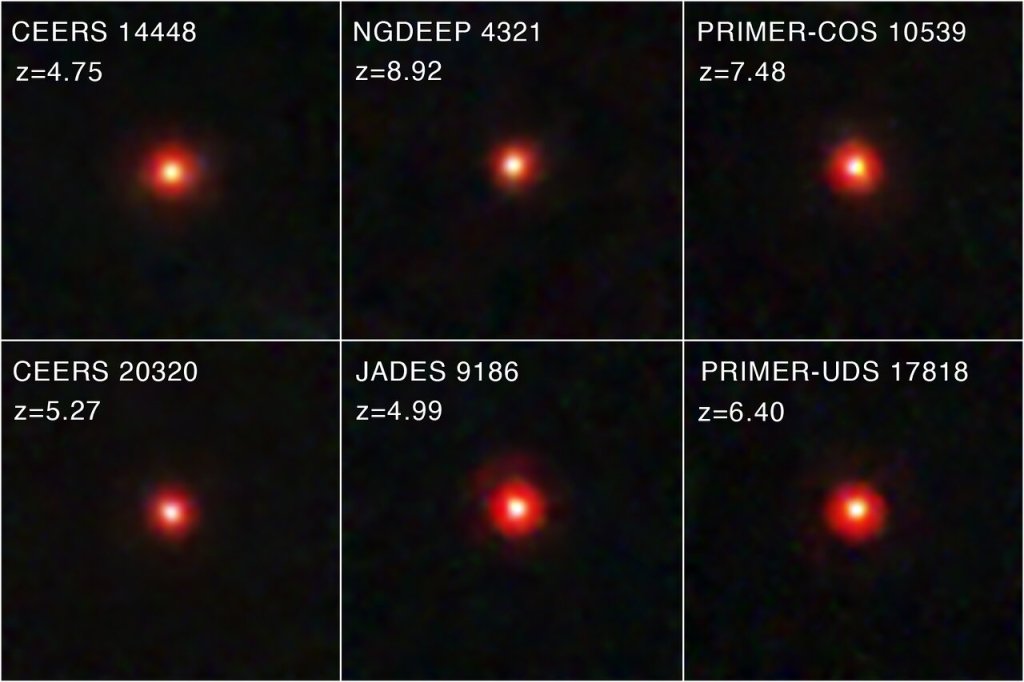
This discovery gives us a much better understanding of these LRDs, lending credence to the idea that black holes are the cause of the unexpected brightness of these galaxies. As matter gets close to them, it begins to orbit the black hole very quickly, causing everything to rub against and impact each other, leading to heating and glowing, which is what makes many supermassive black holes seem so bright.
As with any similar discovery, it also leads us to new questions. How could a black hole become so large so early in the universe’s life? Lead author of the article describing this discovery, Anthony Taylor, had this to say about the possibilities this opens up, “This is a good test object for us. We haven’t been able to study early black hole evolution until recently, and we are excited to see what we can learn from this unique object.”

 Snippets of Science
Leave a comment