
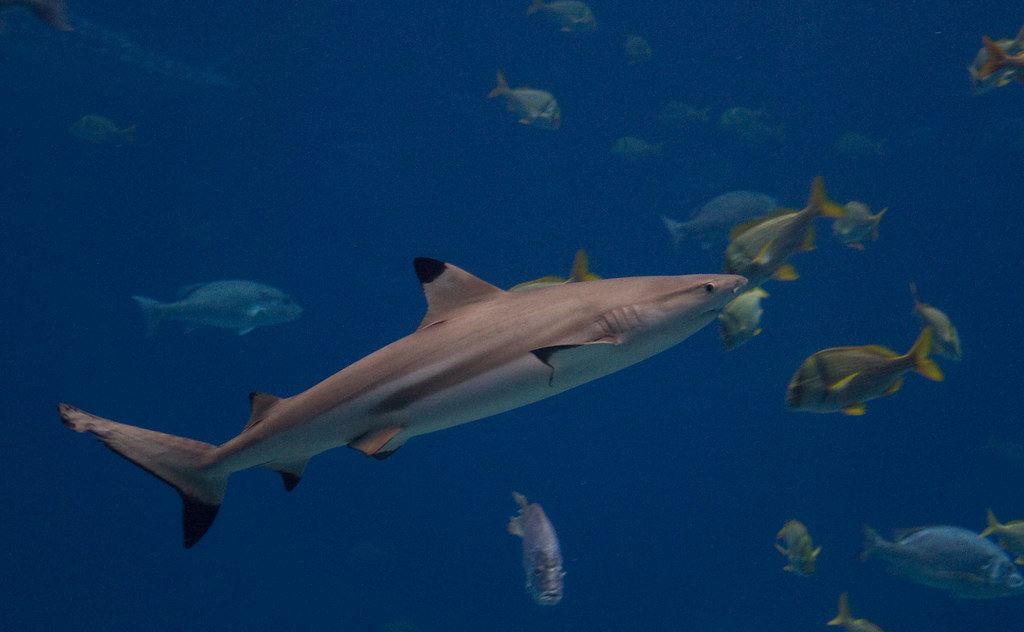
Researchers from Germany found that, in lab settings, the structure of shark teeth began to degrade and become weaker in response to increasing acidification in the ocean. As carbon dioxide increases in the atmosphere, it also dissolves into ocean water, creating a chemical known as carbonic acid.
This has been known to weaken many things in the ocean, such as the shells of crustaceans and molluscs. For these creatures, the carbonic acid slowly dissolves the calcium carbonate that makes up the structure of these animals. The animals can repair it, but it takes more energy and makes them weaker overall.
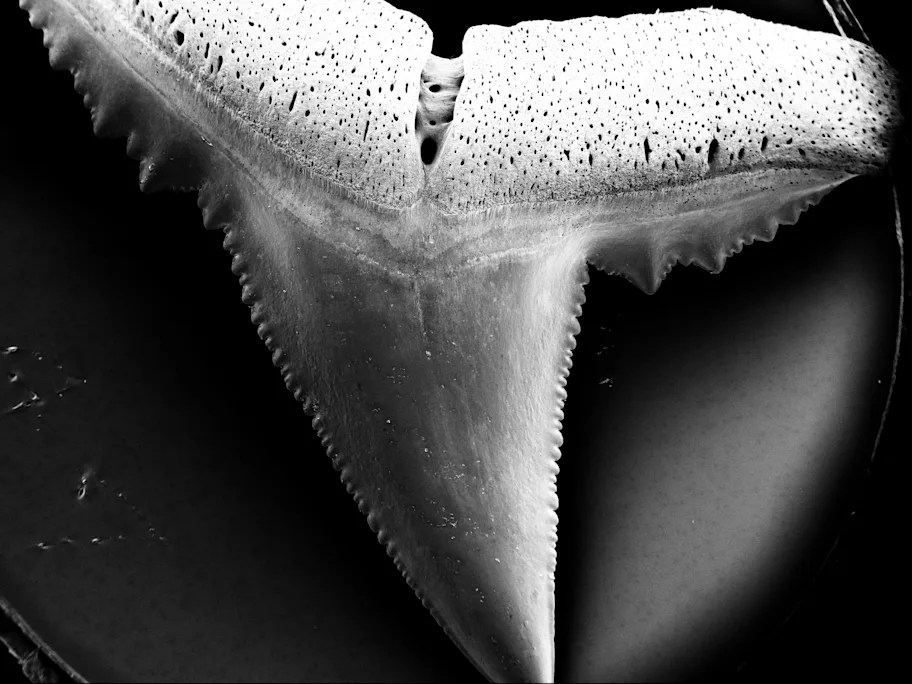
It is now believed that this may be occurring in the teeth of sharks as well. In a controlled lab environment, teeth from black-tip reef sharks were put into water that simulated acidic ocean conditions for two months. After the conclusion of the test, they were compared to teeth that were kept in normal sea water. It was found that the teeth kept in the more acidic water had broken down significantly more than those that were not.
This counters a study performed in Australia in 2022 performed on live sharks, which suggested that sharks that were raised in this more acidic water could alter the content of their teeth to make them more resistant to the effects of carbonic acid. The authors of the more recent paper disagree, claiming that the previous study had not properly taken into account how much energy was needed to maintain that altered tooth content.
As scary as ocean acidification sounds, it does not mean that you should be nervous about getting into the water yourself. The amount of change isn’t nearly enough to cause harm to a human body, particularly for the relatively short amounts of time that we can handle being the water. The biggest risks come from the effects in the ecosystems. If shark teeth do become more brittle, then they will have a hard time hunting their prey and cause significant imbalance in the food web.

 Snippets of Science
Leave a comment