
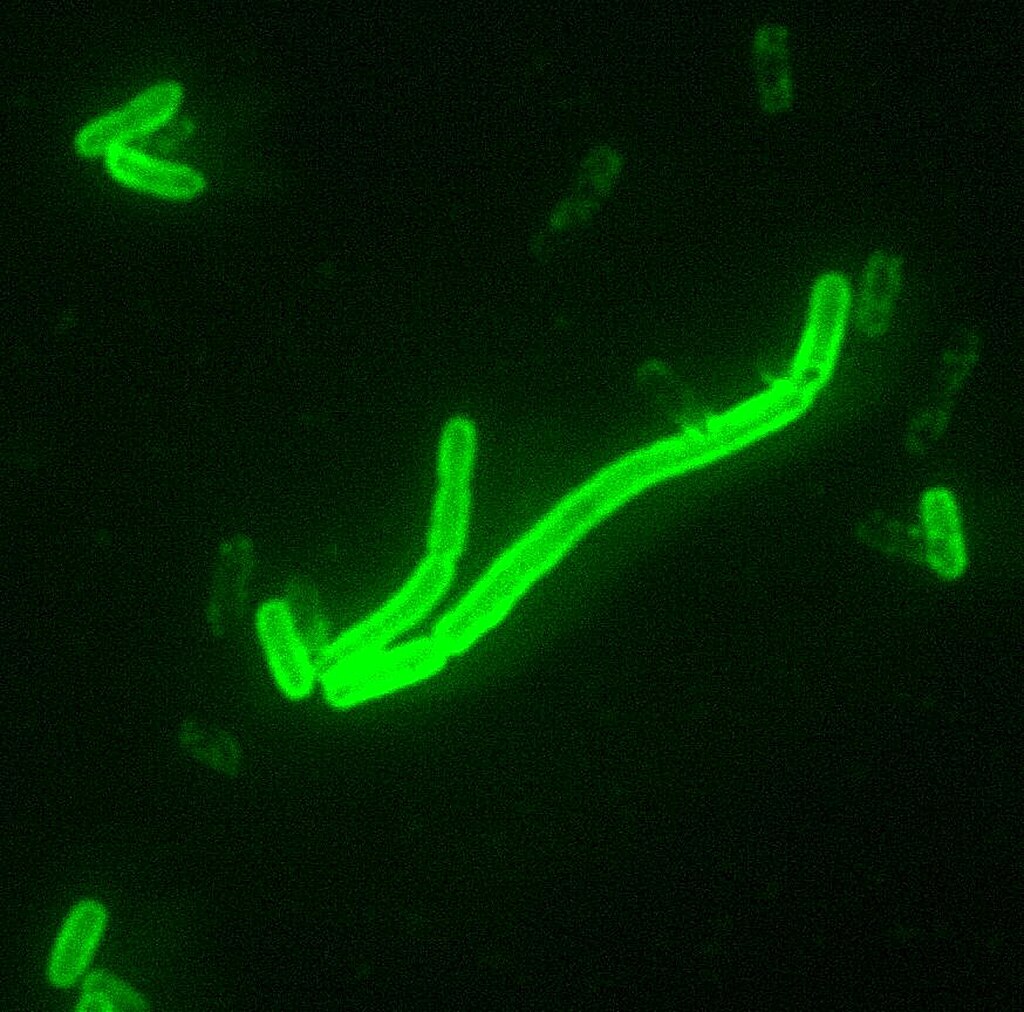
Researchers have found evidence in a mass grave in Jordan that the Plague of Justinian, a disease widely regarded to be the world’s first pandemic, was caused by Yersinia pestis, the same bacteria that was responsible for the Black Death in the 14th century.
The Plague of Justinian occurred over the course of the 6th to 8th centuries in the Byzantine empire, covering much of the eastern coasts of the Mediterranean Sea. Until recently, we had not found any mass graves that could be clearly identified as being from the Plague of Justinian.
Yersinia pestis does not leave marks on the skeleton, so the only way to identify for sure that someone had the plague when they died is through finding DNA evidence of the bacteria. Researchers were finally able to identify the disease in a mass grave in Jerash, Jordan by finding DNA associated with the plague.
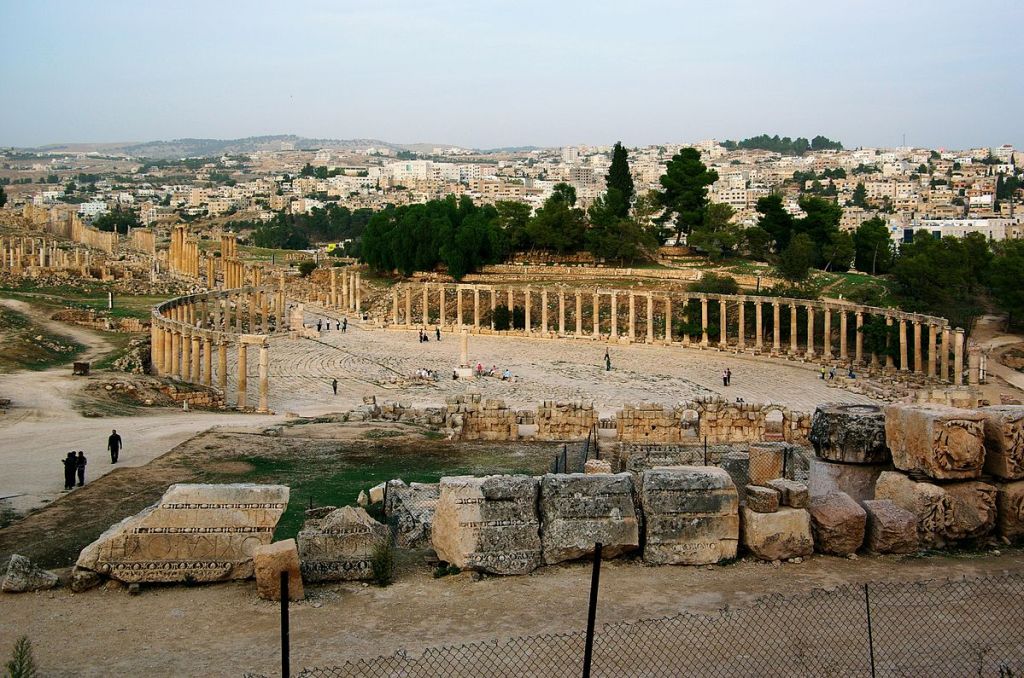
In addition, the particular way in which the bodies were buried gives evidence for the form of crisis response that existed in these historic societies, as well as how the plague affected these communities. It appears that all of the bodies in the gravesite, dug at a Roman stadium, contained the exact same strain of the disease. Rather than being the place of slow death, one that gives time for the disease to change, this stadium burial suggests something much quicker, something that sparks in a city and tears through it.
Though this was caused by the same bacteria, it appears that the strain that caused the Plague of Justinian is unrelated to the strain that caused the later Black Death. Subsequent studies have identified three distinct strains of Yersinia pestis that have caused pandemics. The First Plague pandemic (The Plague of Justinian), the Second Plague pandemic (The Black Death), and the Third Plague pandemic, a strain that appeared in the 19th century and still exists in wild animal populations. Luckily, we now have very effective treatments for the plague, so there isn’t much of a worry of a new plague pandemic.
This study highlights how the vulnerabilities we faced in the past in managing public health are still much the same ones we face today. Densely populated areas like Jerash were central hubs for trade and commerce, but that same population density made it an ideal place for disease to spread through. Though we may have more advanced sanitation methods today, we are only five years removed from the start of our most recent pandemic, COVID-19. By understanding the pandemics and diseases of the past and how they have spread, we can better understand how to respond to them in the present and future.



 Snippets of Science
Leave a comment