The ending of the Paleozoic (the age before the dinosaurs) has been considered something of a mystery since we discovered it. Unlike the asteroid that killed the dinosaurs, it has been much more difficult to understand the event that began the age of reptiles. Researchers at Stanford (unfortunately the article is behind a paywall) are convinced that they have discovered the cause, and that it bears remarkable similarity to the warming world we see today.
The Background
The Paleozoic (literally old-life) was a very diverse time in the history of life on Earth. Plants and animals had moved to the land and turned the rock and moss covered landscape into many environments that wouldn’t look too out of place today. The Permian in particular, the last age of the Paleozoic, had many of these similarities. What would eventually tip you off that things weren’t quite the same would be the kinds of animals and plants. There were no grasses or flowers, as they wouldn’t evolve until more than 100 million years later. Even our ancestors, the synapsids, would have looked very different and aren’t really considered to be mammals. But for the biggest difference, we look underwater.
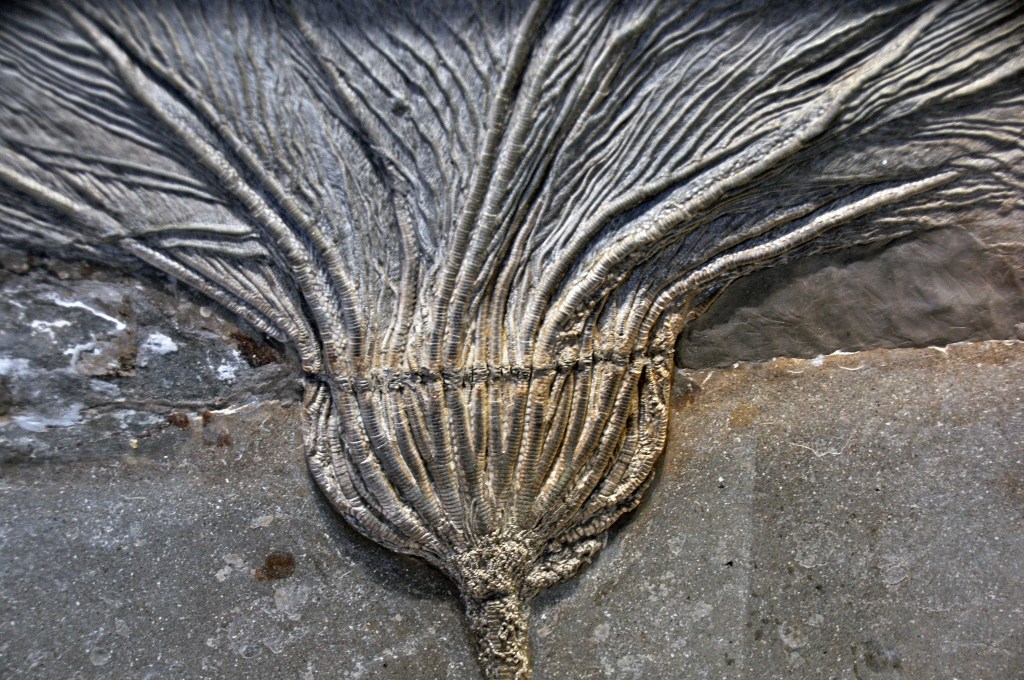
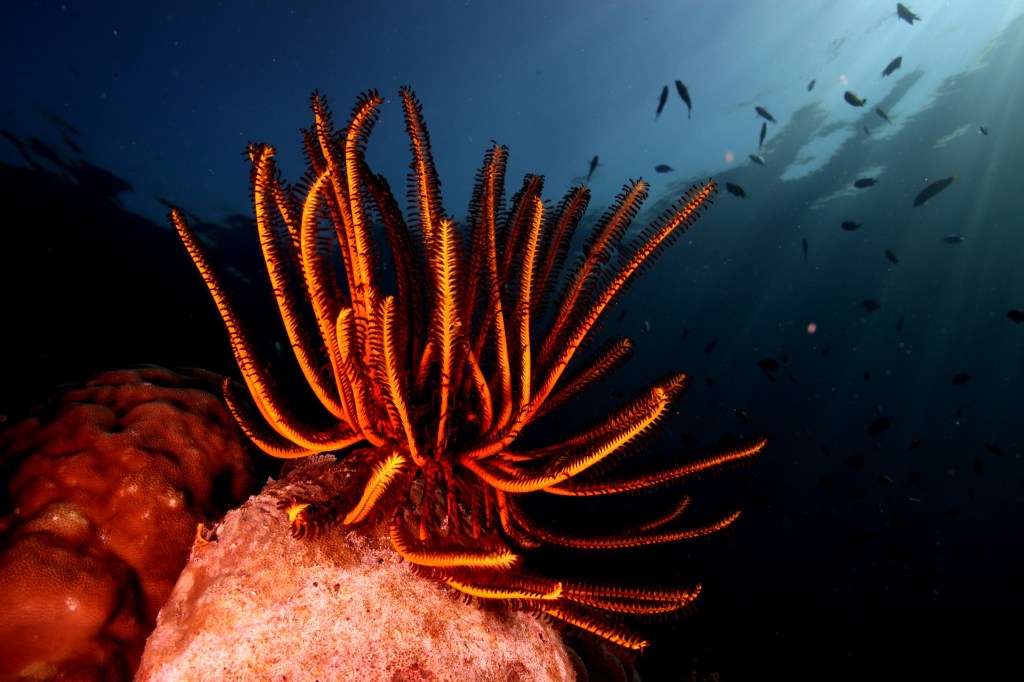
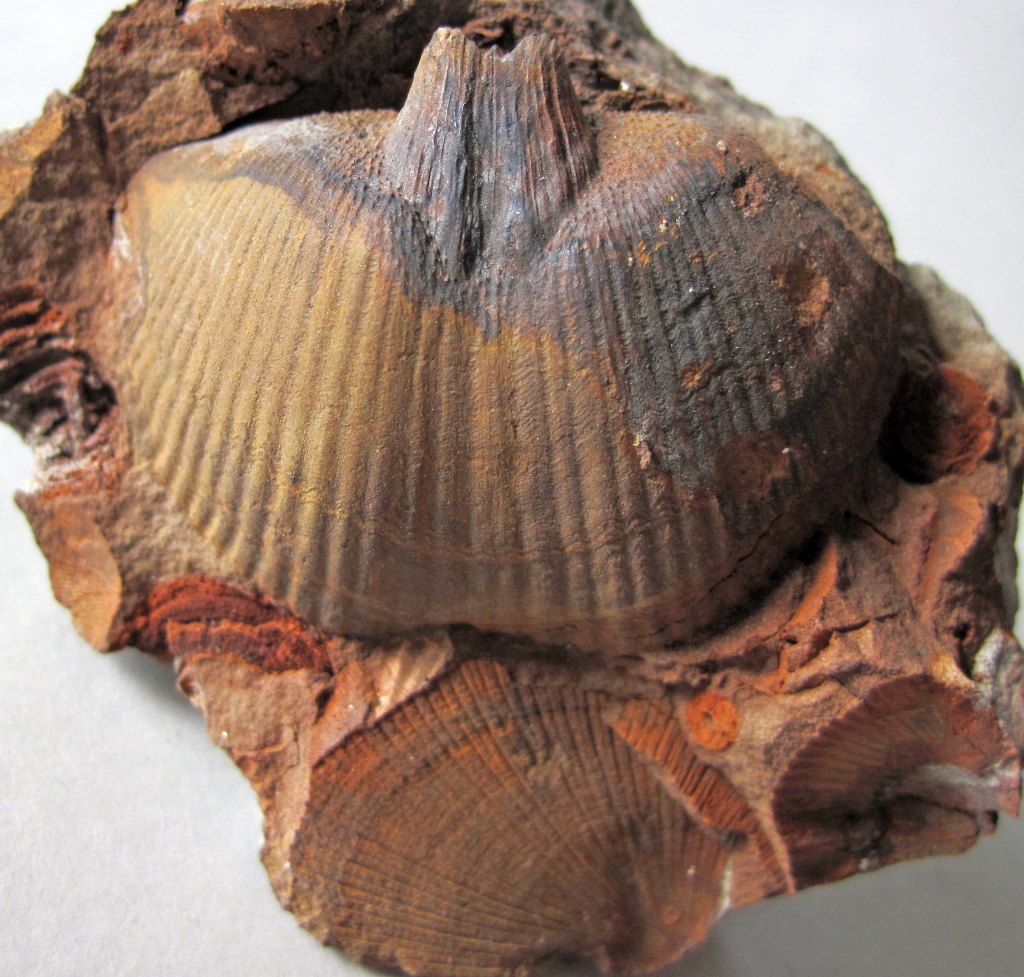
Though there are some animals we might recognise, the water is teeming with strange shelled creatures. Brachiopods (simpler cousins of clams and oysters) and crinoids (sea lilies) dominated the oceans. Fish did exist, but were far from the most prolific kind of animal beneath the waves. It’s here that researchers at Stanford were looking to better understand why some animals were more affected than others.
At the end of the Permian, going into the Triassic and the age of reptiles, was the most extreme mass extinction that we know of. So many species went extinct that scientists call it “The Great Dying.” There have been many educated guesses as to what caused it to be so deadly, but evidence often pointed in different directions.
This didn’t affect all kinds of life the same, though. Among the most dominant marine animals, the ones that stayed still (sessile) and the filter feeders were by far the most likely to go extinct, while the ones that could move and hunt were much more likely to survive.
The Study
It’s not possible to study many aspects of this ancient life through fossils, so the scientists took living animals that are related to the extinct ones to find trends in why some creatures survived better than others. They grouped these animals into two categories: the Paleozoic animals (related to the most dominant animals before the Great Dying) and the Modern animals (related to what became the most dominant animals after the Great Dying).
After the experiments were done, it was found that the biggest difference between the two groups was their ability to deal with warmer temperatures. The Modern animals were able to survive in much higher temperatures on average than the Paleozoic animals, though the specific reason why is more complex, with one explanation involving how well they used the oxygen in the water. In normal temperatures, the Paleozoic animals actually were slightly better than Modern animals when they had lower oxygen levels. When paired with the stress of warmer temperatures, though, this entirely flipped. Modern animals tend to have more complex ways of bringing oxygen through their bodies, like hearts and veins. The Paleozoic animals usually don’t.
Because this study was only done on the animals we have around today, it can’t recreate exactly what might have been happening in the ancient oceans of the Permian. After all, every one of these animals is descended from something that survived the Great Dying, and so we can’t see what didn’t survive. What it can show is the general pattern, and it is a pattern that we may be seeing again.
The Significance
The pattern of what went extinct, mostly being these animals that struggle in higher temperatures, shows that the Great Dying was caused by a massive period of global warming. Though researchers are confident that CO2 concentrations won’t get as high as they did during the Great Dying, it can still give us a window into what could happen in our world. Animals with hard shells are already being affected by something known as ocean acidification, where carbon dioxide is converted into something called carbonic acid which slowly dissolves the shells of these animals. They are able to repair it, but it puts valuable energy into something they had never needed to worry about, forcing them to eat more to compensate.
If these animals are then made to deal with higher temperatures, beyond what they’re used to, then they will once again be at a very high risk of going extinct. Knowing this, we may be able to put resources in place to protect them. So what does this all mean for you?
We now know that the Earth has experienced something like this before, and so we may be able to make more comparisons between then and now. We have an opportunity to learn about the consequences of our actions before the worst of our mistakes have been made. We have a place to point to show our governments what could happen if we don’t change course. Though we may not be able to bring the world back to how it used to be, not in my lifetime at least, we can still reduce the damage caused and build a better future.
Cover image by James St. John from Flikr



Leave a comment