
As a science journalist, it is my duty to discuss many different aspects of research and science. I’ve handled such disparate subjects as biology, geology, astronomy, and paleontology. Despite this, there are a number things that I will not cover for several reasons. I hold the right to change my mind on any of these, of course.
Highly Theoretical Science
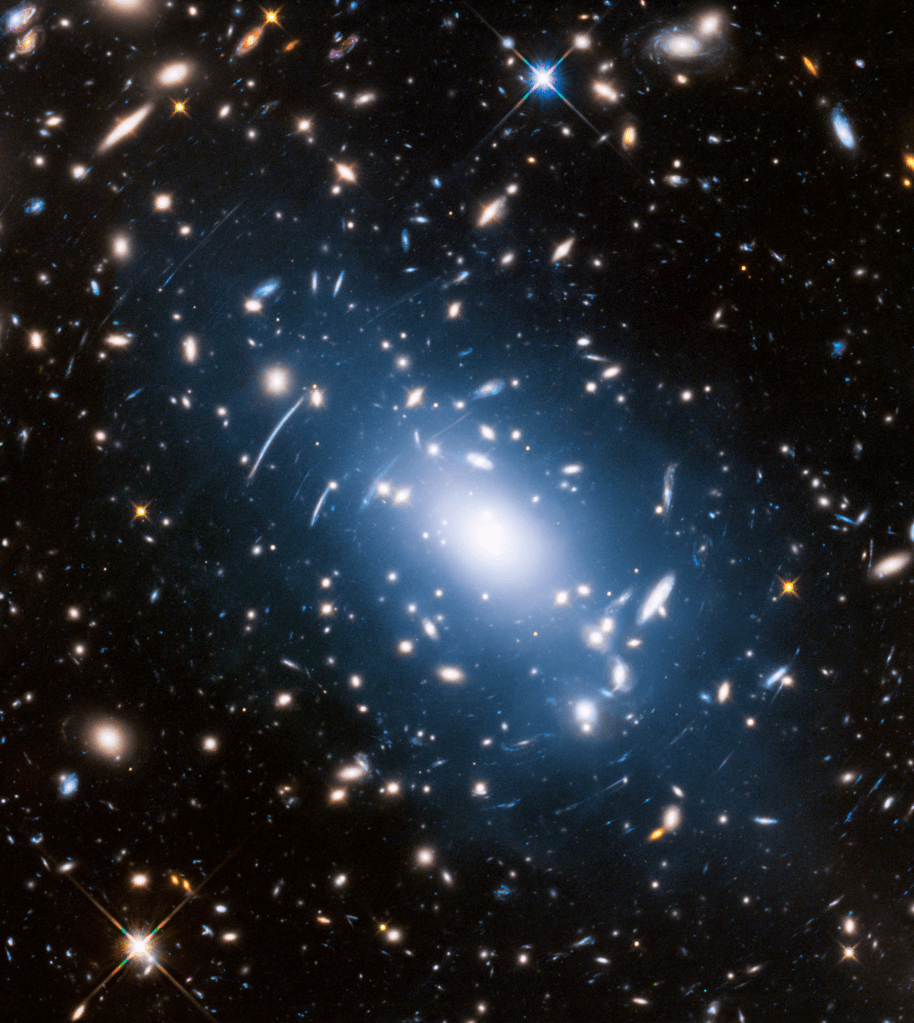
There is significant value in theoretical science, in finding new ways to understand the universe. I am simply unable to properly understand most parts of it. Whether it’s something like string theory, or the various hypotheses in understanding what dark matter and dark energy are, I cannot wrap my head around it well enough to explain it in an accessible way. Odds are, if you believe that you can understand it, you’ve heard one of the many oversimplified explanations that I have.
Snippets of Science currently operates by finding press releases, reading their associated articles, and uncovering the truth of what the science actually says through further research. If I’m unable to understand the original paper, being far too dense with jargon and mathematics, then all I can effectively do is restate what was said in the press release, which if you’ve seen my previous blog post, you would know can often overstate the original findings.
Social Science
![A slide from a slideshow in black and white. The title of the slide is "Do you like this question?" The rest is a difficult to parse pie chart, with the options yes, no, I don't know, possibly, and spoiled vote. Yes and no are evenly split, taking up about a sixth of the chart each. I don't know is the largest section, taking up a third. Possibly is the second largest, taking up just over a quarter of the slide. Spoiled vote is the smallest, with only a tiny wedge left. The text on the bottom of the slide reads, "Carried out by some guys on the street on behalf of The Internation [sic] Survey Group. Over 7 billion people were surveyed from October 2010 - October 7010](https://snippetsof.science/wp-content/uploads/2026/07/6289600762_2abdcdaf80_o.png?w=1024)
Social science is often misunderstood in the field of academia and is frequently looked down upon by the ‘hard sciences’ like physics or biology. Before I explain why I don’t write about it, I should be incredibly clear: social sciences such as linguistics and sociology are worthy of funding and focus. I studied science communication as a social science and thus believe that these sciences should be taken more seriously.
That all being said, many of these sciences are incredibly political and controversial to the wider public. In the future, I likely will discuss more aspects of this, but it is very difficult to discuss many of the bigger findings while maintaining a neutral tone. I also don’t want to be the focus of an angry mob who have decided that my blog is their enemy of the week. This, of any of these topics, is the one I’m most likely to still cover, but I feel that I still need to earn your trust before I can begin to approach the heavier side of social science.
‘Hyped’ Science

There is a contingent of science blogs, social media accounts, news organisations, etc. that will give you the most exciting headlines, quotes, and claims before the relevant paper has even been published. These places are always eager to be the first to talk about something, the one right at the top of the search engine. I refuse to let Snippets of Science become that.
Hyped science can often be seen as futurology, the study of what the future could look like. Very techno-optimist, robots do everything for you, miracle drug cures everything. Alright, that’s a bit of an overstatement, but you do not need to be online for long before you find some article claiming that the world’s largest problem has been fixed because of one study, or that we finally discovered the secret to long life and it’s this one random ingredient. These sorts of studies are exciting, and really draw in the outlets I mentioned before. I want to build a community of curious thinkers. I want you all to be critical of what you read, and publishing news about these (often difficult to replicate) studies will only hinder your ability to trust what I have to say in the future.
Chemistry

I just don’t like it very much.
Conclusion
I want to represent science as clearly and cleanly as possible. The best way for me to consistently do that is to stay within my comfort zone. I’m not comfortable talking about things I don’t know, things that could draw poor attention to me, and things that will give you a worse understanding of science. By omitting all of this, you can be sure that anything I write here will be well researched and representative of whatever it claims to represent.
Just a short blog article this week. I’ve become very busy as I prepare a longer feature on heatwaves that should be ready by the end of next week. If you have any questions or comments about my process, leave a comment beneath this article or mention me on BlueSky as that’s where Snippets of Science is most active. Thank you for being so supportive as I build this platform into a trusted source for science news and insights, I look forward to bringing you more high quality journalism in the future.

 Snippets of Science
Leave a comment